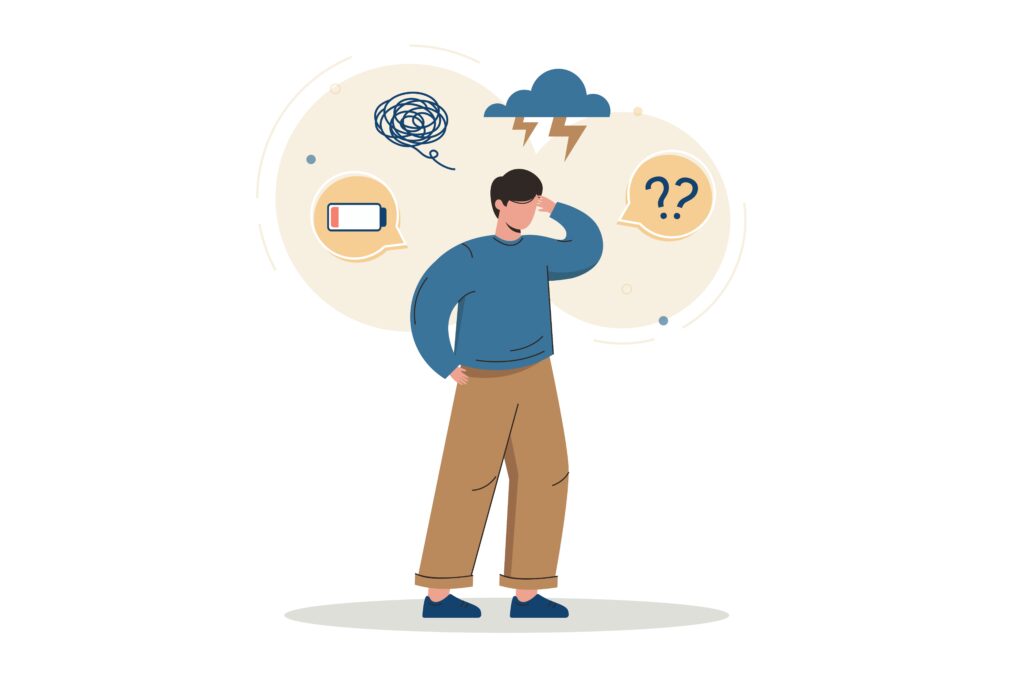
You’ve probably heard it a hundred times: “Just go for a run, you’ll feel better.” And maybe you’ve rolled your eyes at that advice because it sounds too simple, too cliché, or like something people say when they don’t know what else to offer.
But here’s the thing—there’s actually something to it. Not in the “exercise cures everything” way that gets thrown around, but in a real, measurable way that affects how your brain works, how you handle stress, and how you feel day to day.
The connection between exercise and mental health isn’t about pushing through pain or becoming a gym rat. It’s about understanding what physical activity does to your body and mind, and using that knowledge in a way that actually fits your life.

What Exercise Actually Does for Your Brain
When you move your body—whether that’s lifting weights, running, playing basketball, or just walking—your brain chemistry changes. Not metaphorically. Literally.
Endorphins get released. These are natural mood boosters that reduce pain perception and create a sense of wellbeing. That “runner’s high” people talk about? It’s real, though you don’t need to run marathons to experience it.
Serotonin and dopamine levels increase. These neurotransmitters regulate mood, motivation, and emotional stability. Low levels are linked to depression and anxiety. Exercise helps your brain produce more of them naturally.
Cortisol gets regulated. Cortisol is your stress hormone. In short bursts, it’s useful. Chronically elevated, it wrecks your mental and physical health. Regular exercise helps your body manage cortisol more effectively, bringing levels down when they’re too high.
Brain-derived neurotrophic factor (BDNF) goes up. This protein supports brain health, helps grow new neural connections, and protects existing ones. Higher BDNF levels are associated with better mood, sharper thinking, and resilience against depression.
Your nervous system resets. Exercise activates your parasympathetic nervous system—the part that calms you down after stress. It teaches your body how to return to baseline instead of staying in a constant state of tension.
This isn’t motivational talk. It’s physiology. Your body is designed to move, and when it does, your brain benefits directly.
Why This Matters Specifically for Men
Men face particular pressures that exercise can help address, even if indirectly.
Physical activity gives you a sense of control
When everything else feels chaotic—work stress, relationship tension, financial pressure—exercise is something you can control. You show up, you put in the effort, you see results. That sense of agency matters when other areas of life feel unpredictable.
It’s an acceptable outlet for men
Society still gives men limited ways to process emotions. Exercise is one of the few outlets that’s culturally encouraged. You can channel frustration, anger, anxiety, or restlessness into physical activity without anyone questioning it. It’s a release valve that doesn’t require vulnerability.
Performance and progress are measurable
A lot of men are wired to respond well to tangible progress. Lifting heavier weight, running faster, improving endurance—these are concrete markers of improvement. When mental health feels vague or hard to track, physical progress offers something solid.
It breaks the isolation loop
Many men deal with stress or depression by withdrawing. Exercise—especially when it involves other people—counteracts that. Joining a gym, playing pickup basketball, going to a boxing class, even just walking with a friend creates low-pressure social connection.
It addresses the physical toll of stress
Stress doesn’t just live in your head. It shows up as tight shoulders, clenched jaw, tension headaches, fatigue. Exercise releases that physical buildup in a way that sitting around thinking about your problems never will.
What the Research Actually Shows
Studies consistently find that regular physical activity reduces symptoms of depression and anxiety. In some cases, exercise is as effective as medication or therapy for mild to moderate depression. It’s not a replacement for professional treatment when you need it, but it’s a legitimate tool.
Men who exercise regularly report better mood, lower stress levels, improved sleep, and higher self-esteem. They’re also less likely to develop depression and anxiety disorders in the first place.
Even small amounts make a difference. You don’t need to train like an athlete. Thirty minutes of moderate activity most days of the week has measurable mental health benefits. Sometimes less is enough if you’re consistent.
The type of exercise matters less than finding something you’ll actually do. Cardio, strength training, sports, yoga, martial arts—they all help. The best exercise for mental health is the one you don’t have to force yourself to do every single time.
How to Use Exercise for Mental Wellbeing (Without Overdoing It)
Start where you are
If you haven’t been active, don’t jump straight into intense workouts. That’s a setup for burnout or injury. Start with walks. Do bodyweight exercises at home. Ease into it. Building the habit matters more than the intensity at first.
Match the exercise to your mental state
When you’re anxious or restless, high-intensity exercise like running, boxing, or HIIT can burn off that excess energy. When you’re depressed or exhausted, something gentler like walking, swimming, or stretching might be more sustainable. Listen to what your body and mind can handle that day.
Make it regular, not perfect
Consistency beats intensity. Three 20-minute sessions a week will do more for your mental health than one brutal two-hour workout followed by nothing for two weeks. Aim for something you can maintain long-term.
Use it as a mental break
Exercise works partly because it forces your brain to focus on something other than whatever’s stressing you out. You’re not ruminating while you’re lifting weights or playing soccer. That mental shift is part of the benefit.
Don’t make it another source of pressure
If exercise becomes just another thing you’re failing at, it loses its value. Some weeks you’ll work out more, some weeks less. That’s normal. The goal isn’t perfection—it’s having a tool you can use when you need it.
Combine it with other strategies
Exercise helps mental health, but it’s not a cure-all. If you’re also getting enough sleep, eating reasonably well, managing stress, and talking to people when you need to, the benefits compound. If you’re relying on exercise alone while ignoring everything else, it won’t carry the full load.
Try something social occasionally
Solo workouts are great, but there’s added benefit to exercising with others. Team sports, group classes, workout partners—these add a social element that helps mental health in its own right. You don’t have to be extroverted. Just occasional connection helps.
What Type of Exercise Works Best
There’s no single best type. Different activities offer different benefits.
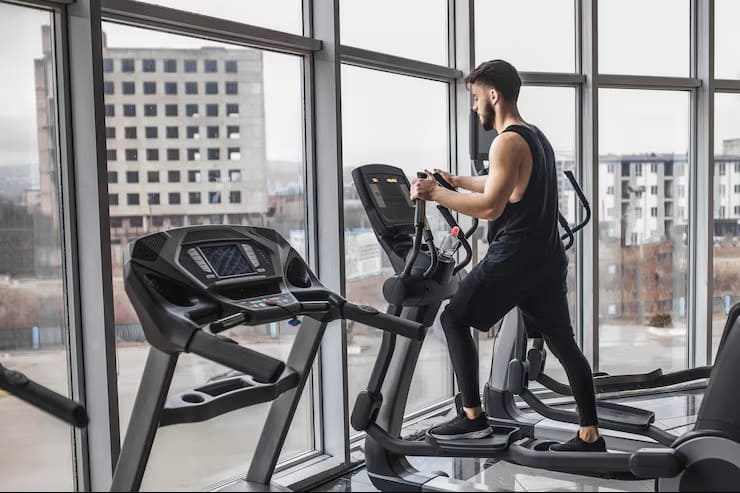
Cardio (running, cycling, swimming) is especially good for reducing anxiety and improving mood. It gets your heart rate up, releases endorphins quickly, and helps regulate stress hormones.
Strength training builds confidence and provides measurable progress. It’s also meditative in its own way—requires focus, teaches discipline, gives you a sense of control.
Martial arts or boxing offer physical release plus mental focus. They’re great for channeling aggression or frustration in a controlled way.
Team sports combine physical activity with social connection and fun. They’re less about grinding through a workout and more about engaging with something you enjoy.
Yoga or stretching help with physical tension and teach you to be more present. They’re lower intensity but still effective for stress relief and mind-body connection.
Walking is underrated. It’s low barrier, easy on the body, can be done anywhere, and still provides mental health benefits—especially if you’re walking outside.
Pick what appeals to you. Experiment. You might find that different activities serve different purposes depending on what you’re dealing with.
What Doesn’t Work
Using exercise to punish yourself – If you’re working out because you hate your body or you’re trying to “earn” food or you’re pushing through pain as some kind of penance, that’s not helping your mental health. That’s reinforcing a harmful relationship with your body.
Going too hard too fast – Overtraining causes physical stress, which increases cortisol and worsens mental health. Rest matters. Recovery matters. More isn’t always better.
Making it your only coping mechanism – Exercise is one tool, not the whole toolbox. If it’s the only thing you’re doing to manage mental health, you’re missing other important strategies.
Comparing yourself to others – Someone else’s workout routine, body, or progress has nothing to do with your mental health benefits. Focus on how you feel, not how you measure up.
When Exercise Isn’t Enough
Exercise helps most people feel better. But if you’re dealing with significant depression, severe anxiety, trauma, or thoughts of self-harm, exercise alone won’t fix it.
You wouldn’t expect exercise to cure a broken leg. Mental health conditions work the same way. They respond to treatment—therapy, medication, structured support—and exercise can be part of that treatment, but it’s not a replacement.
If working out isn’t improving how you feel, or if you’re struggling to do even basic physical activity because of how low or anxious you are, that’s a sign to talk to a professional. There’s no shame in that. It means you’re taking your health seriously.
The Real Takeaway
Exercise won’t solve every mental health problem. It won’t eliminate stress or cure depression or make anxiety disappear. But it does give your brain and body a way to process, regulate, and recover.
For a lot of men, it’s one of the most accessible tools available. You don’t need money, special equipment, or permission. You just need to move.
If you’re dealing with stress, burnout, low mood, or just feeling off, try building some form of physical activity into your routine. Not because it’s a magic fix, but because it’s a proven way to support your mental health while you’re figuring out everything else.
Start small. Be consistent. See what happens.
FAQ
How much exercise do I need for mental health benefits?
Most research suggests 30 minutes of moderate activity most days of the week. But even 10-15 minutes can help. The key is regularity. Three short sessions a week beat one long intense session.
What if I hate working out?
Then don’t work out in the traditional sense. Find movement you don’t hate—walking, hiking, playing sports, dancing, working with your hands. The goal is physical activity, not suffering through something you despise.
Can exercise replace therapy or medication?
Not for everyone. For mild to moderate symptoms, it can be equally effective. For more severe conditions, it’s best used alongside professional treatment. Talk to a doctor or therapist about what makes sense for your situation.
How long before I notice mental health benefits?
Some people feel better immediately after a single session. For lasting changes in mood and stress levels, give it a few weeks of consistent activity. Mental health improvements build over time.
Is it normal to feel worse at first?
If you’re pushing too hard, yes. Start at a comfortable level. If exercise is making your anxiety or exhaustion worse, you might be overdoing it or choosing activities that don’t match your current mental state.
What’s the best time of day to exercise for mental health?
Whenever you’ll actually do it. Morning exercise can set a positive tone for the day. Evening exercise can help burn off work stress. Experiment and see what works with your schedule and energy levels.